High-Precision Reverse Engineering Within ±0.2mm Deviation
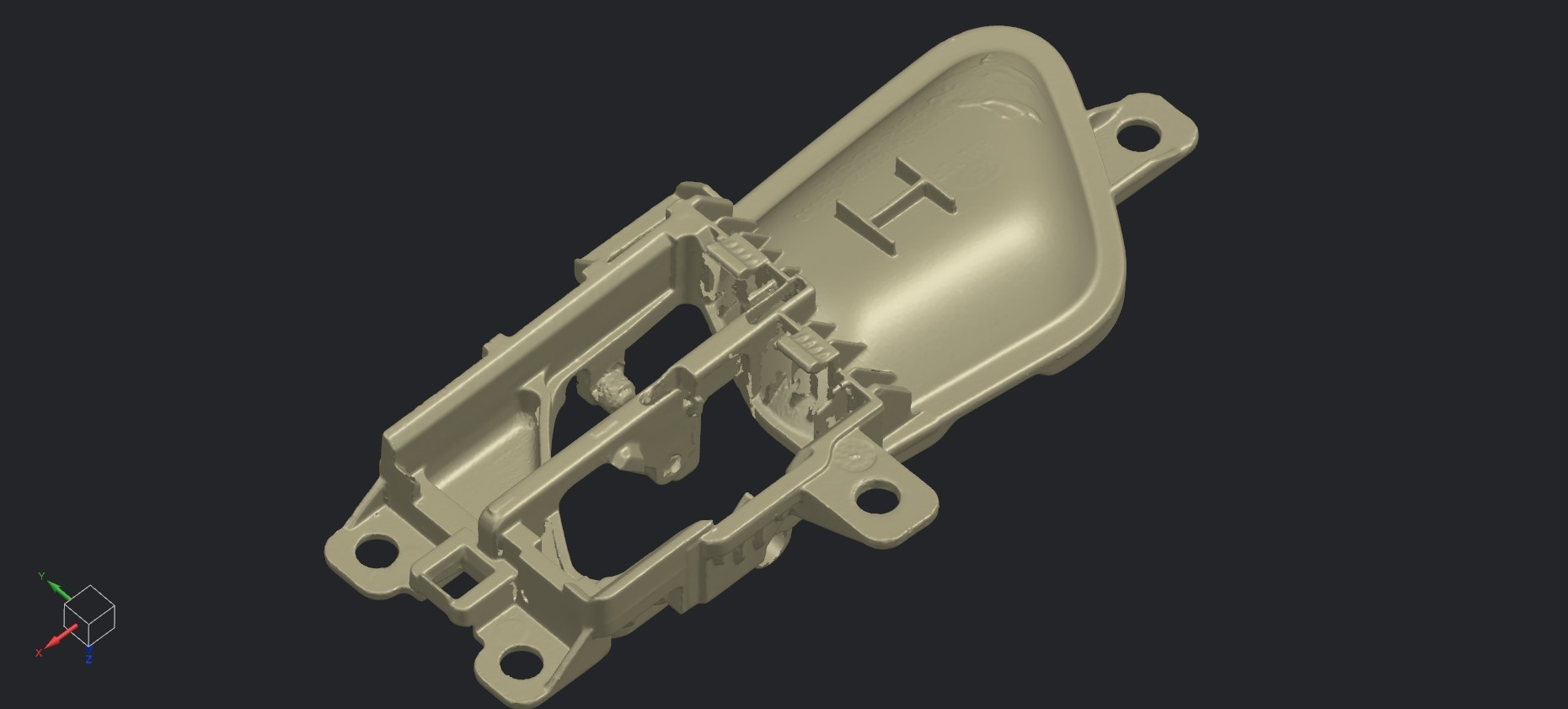
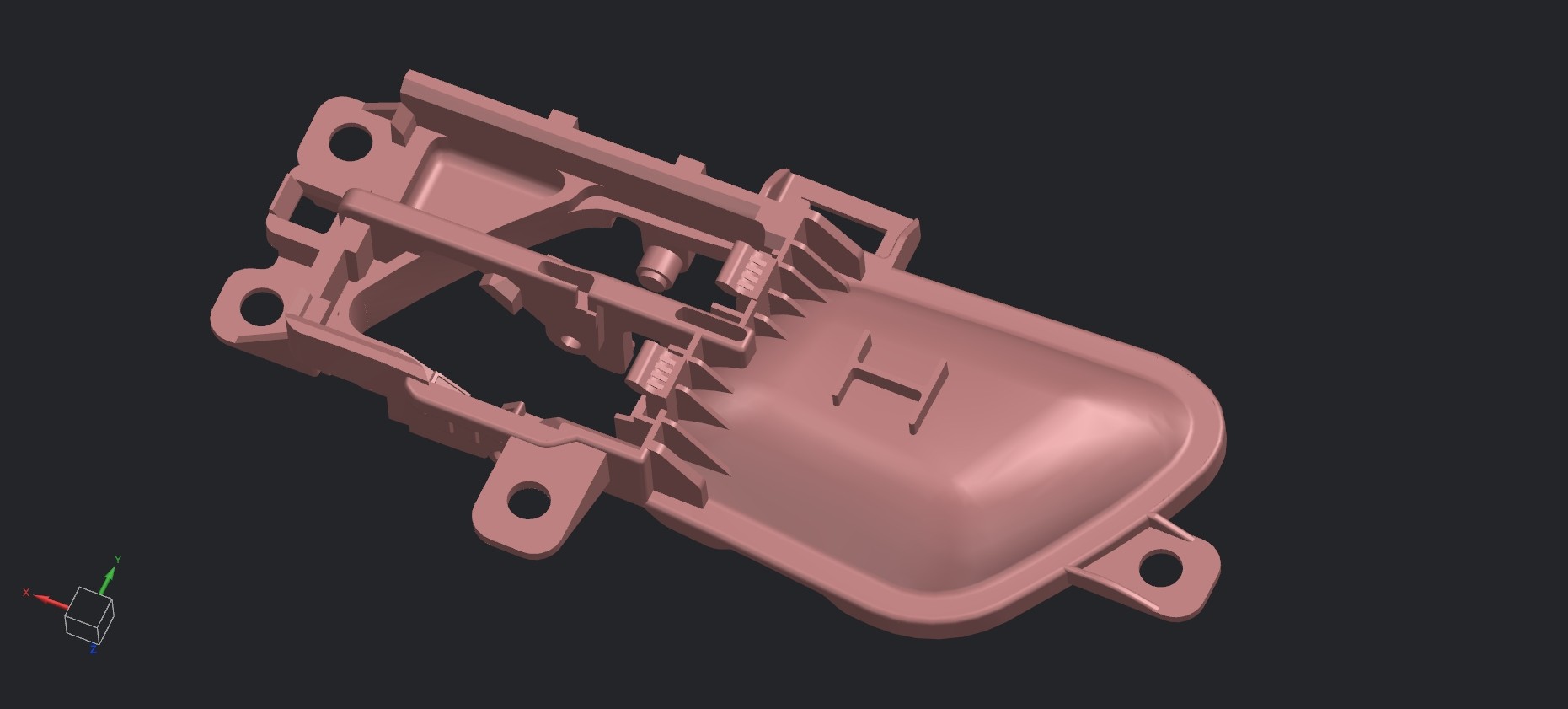
The client required a critical automotive component used in side door window mechanisms to be reverse engineered within a strict deviation limit of ±0.2 mm. The physical part contained multiple small and intricate features that could not be accurately captured through 3D scanning alone. Additionally, the presence of stickers and surface obstructions further complicated accurate geometry capture.
High-Precision Reverse Engineering Within ±0.2mm Deviation
The client required a critical automotive component used in side door window mechanisms to be reverse engineered within a strict deviation limit of ±0.2 mm. The physical part contained multiple small and intricate features that could not be accurately captured through 3D scanning alone. Additionally, the presence of stickers and surface obstructions further complicated accurate geometry capture.
Highlight(s)
Industry
Plastic
Highlight(s)
Industry
Plastic
Challenge(s)
To recreate an accurate and manufacturable 3D CAD model of the component while maintaining a maximum deviation of ±0.2 mm by combining scanning data with precise manual measurements.
To recreate an accurate and manufacturable 3D CAD model of the component while maintaining a maximum deviation of ±0.2 mm by combining scanning data with precise manual measurements.
Deliverie(s)
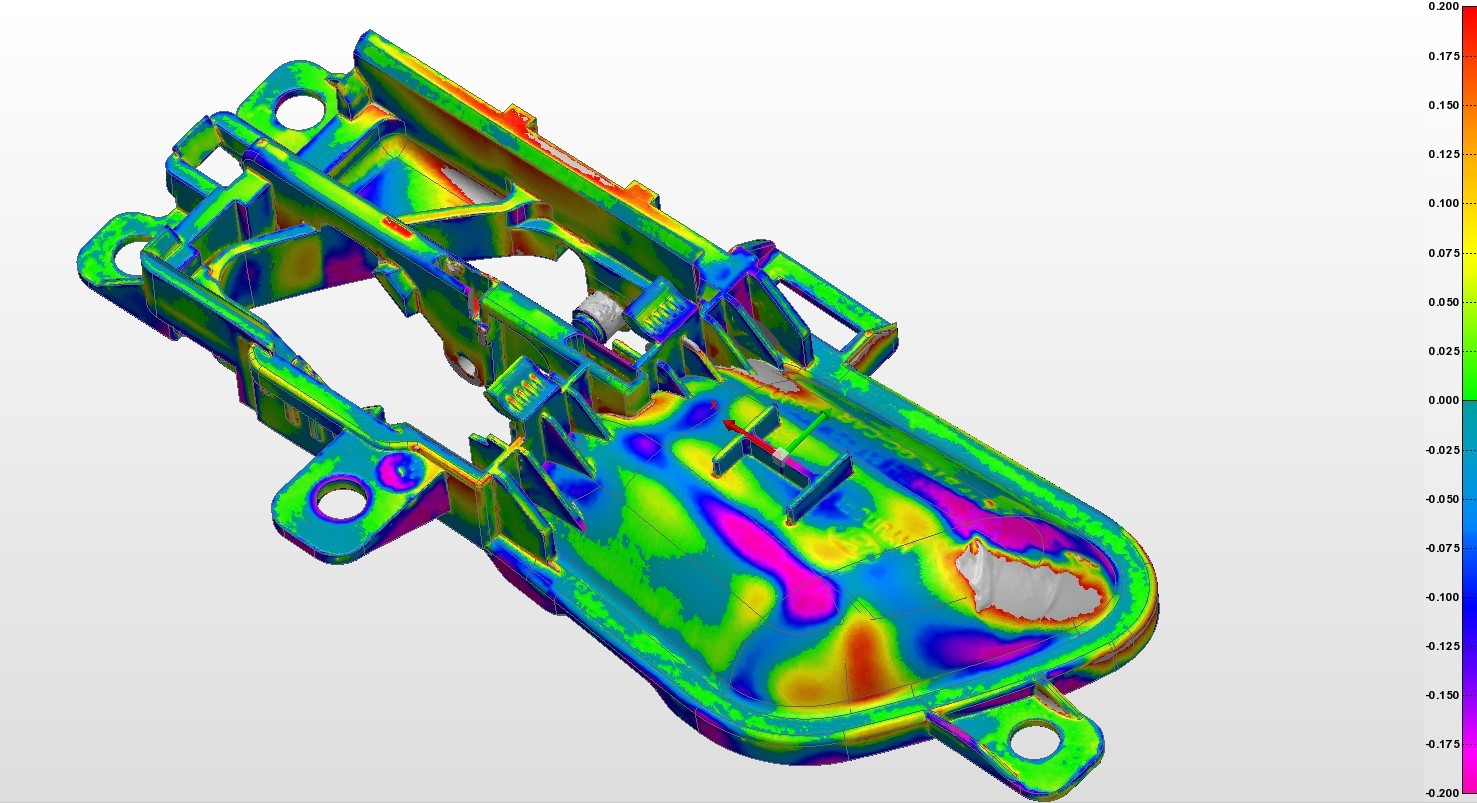
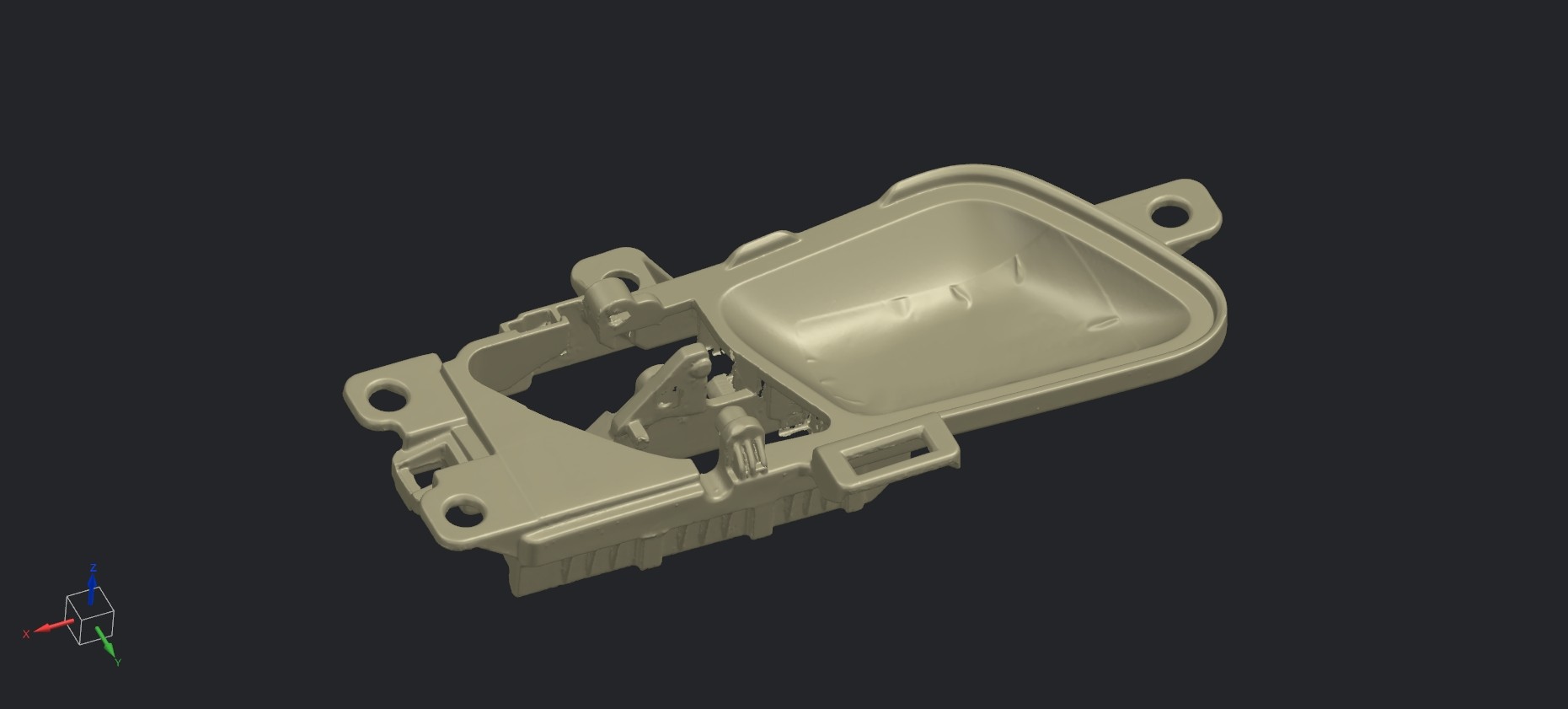
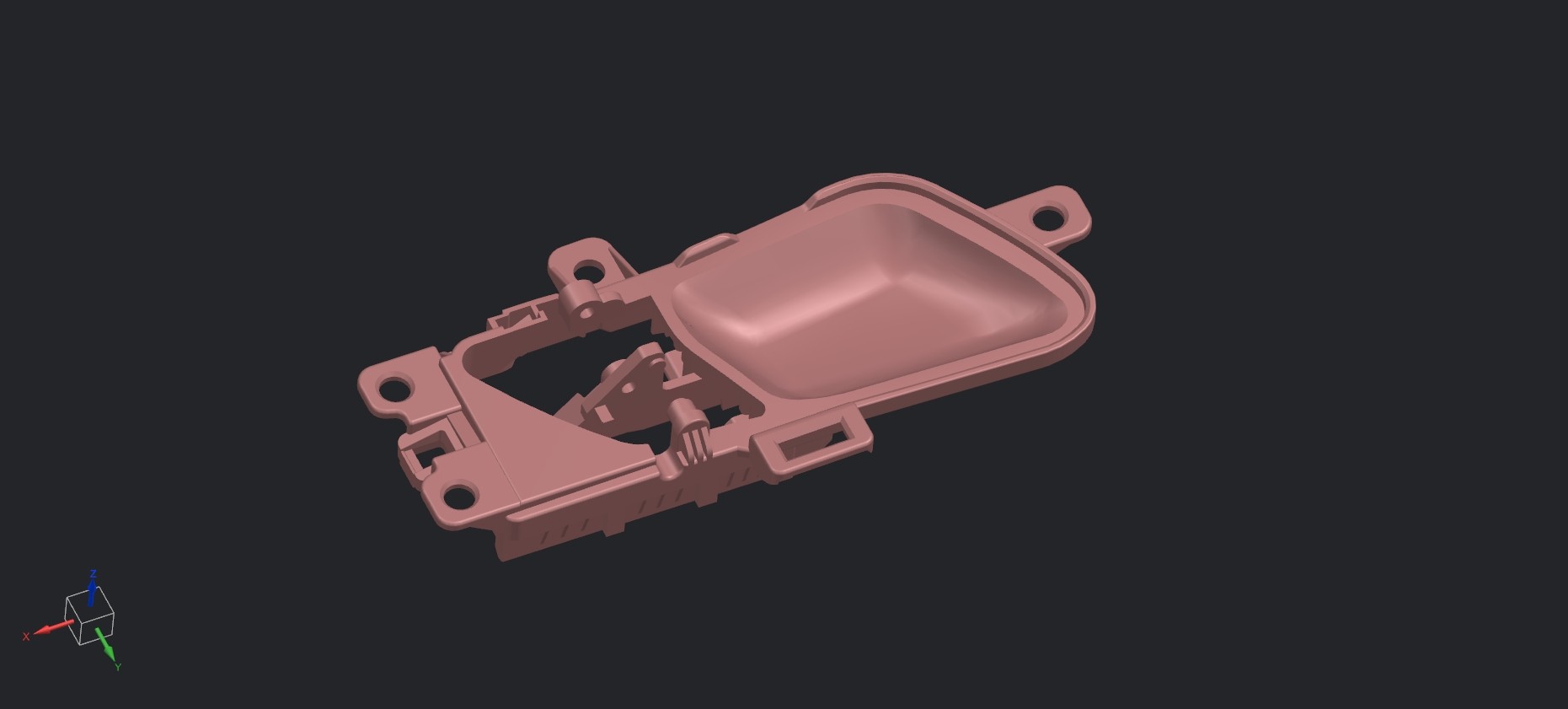
ANDYSIS used a hybrid reverse-engineering approach. The main geometry was captured using 3D scanning, while fine features and obstructed areas were precisely measured using vernier calipers and other manual inspection tools. Surface matching and deviation analysis were performed to ensure the final CAD model met the stringent tolerance requirements. The Step Followed: 1. 3D scanning of the component to capture overall geometry. 2. Identification of features not captured accurately by scanning. 3. Manual measurement of small features using vernier and precision tools. 4. Surface matching and deviation analysis against scan data. 5. Refinement of the CAD model to maintain deviation within ±0.2 mm A highly accurate 3D CAD model was successfully delivered with deviation controlled within ±0.2 mm. The hybrid approach ensured all critical features were accurately reproduced, making the model suitable for automotive manufacturing and functional validation.
ANDYSIS used a hybrid reverse-engineering approach. The main geometry was captured using 3D scanning, while fine features and obstructed areas were precisely measured using vernier calipers and other manual inspection tools. Surface matching and deviation analysis were performed to ensure the final CAD model met the stringent tolerance requirements. The Step Followed: 1. 3D scanning of the component to capture overall geometry. 2. Identification of features not captured accurately by scanning. 3. Manual measurement of small features using vernier and precision tools. 4. Surface matching and deviation analysis against scan data. 5. Refinement of the CAD model to maintain deviation within ±0.2 mm A highly accurate 3D CAD model was successfully delivered with deviation controlled within ±0.2 mm. The hybrid approach ensured all critical features were accurately reproduced, making the model suitable for automotive manufacturing and functional validation.