Manual Mold Conversion to Automatic 8-Cavity Rack & Pinion Mold
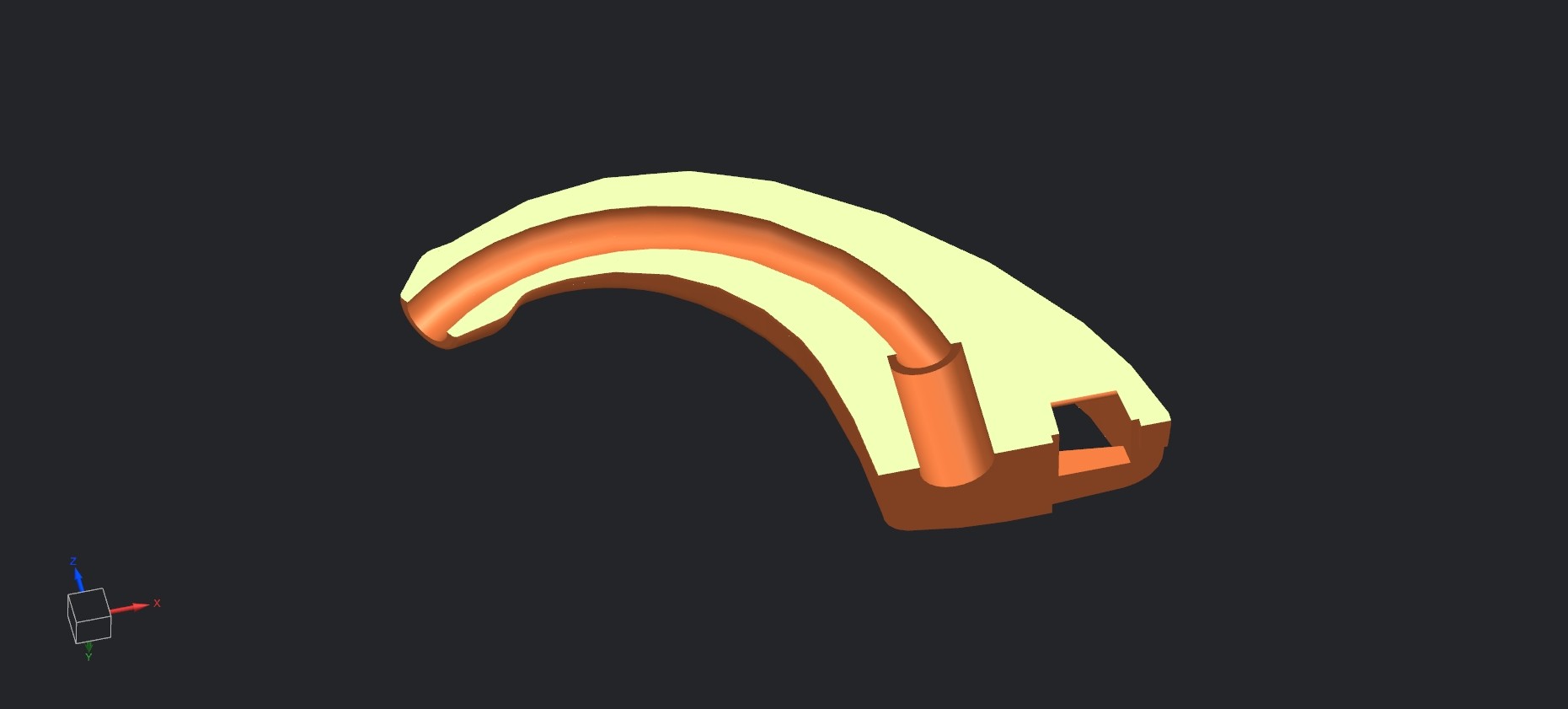
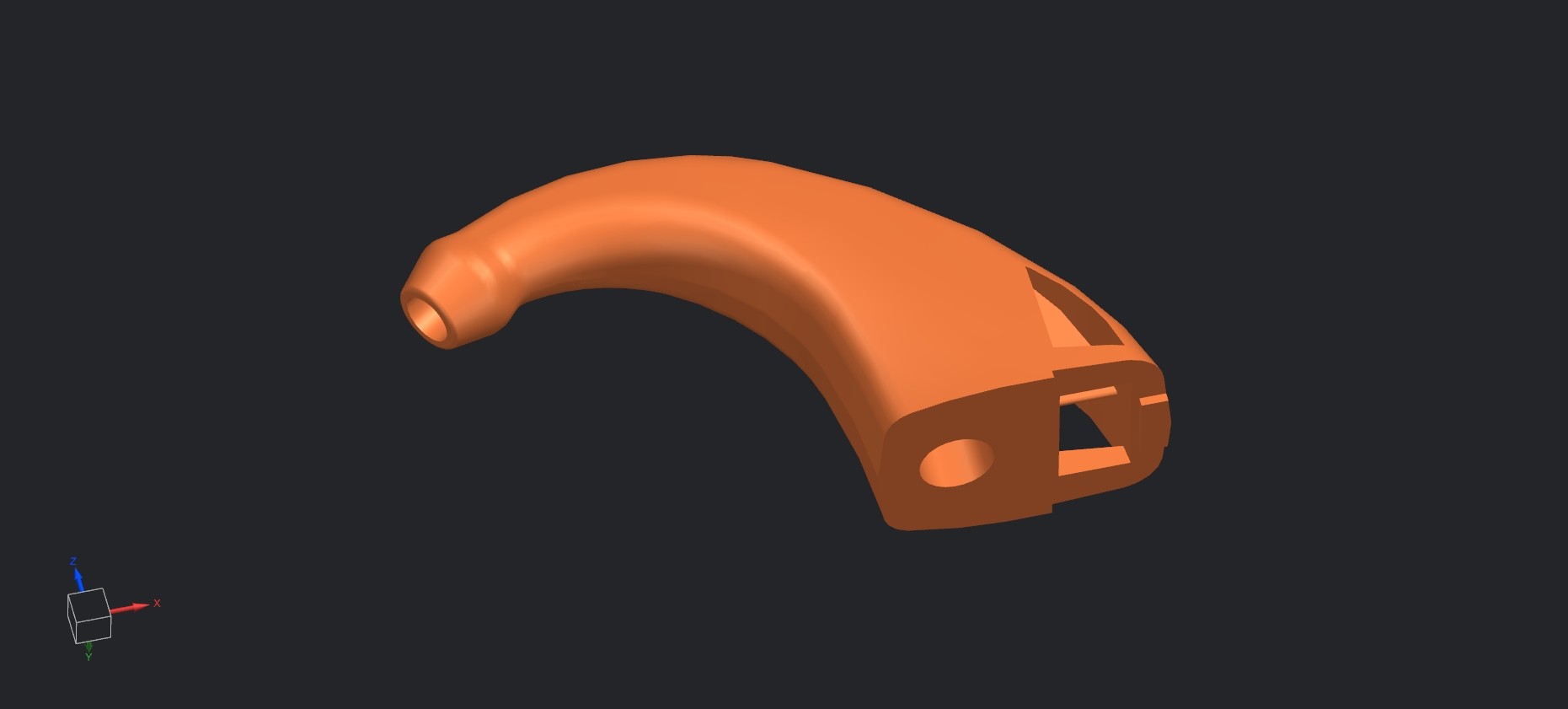
The client had a running injection mold producing a component manually, which limited productivity and consistency. The part geometry included an undercut that could not be released using a simple straight-pull mold. Automation was required, but the undercut demanded a mechanical solution, making mold redesign complex.
Manual Mold Conversion to Automatic 8-Cavity Rack & Pinion Mold
The client had a running injection mold producing a component manually, which limited productivity and consistency. The part geometry included an undercut that could not be released using a simple straight-pull mold. Automation was required, but the undercut demanded a mechanical solution, making mold redesign complex.
Highlight(s)
Industry
Plastic
Highlight(s)
Industry
Plastic
Challenge(s)
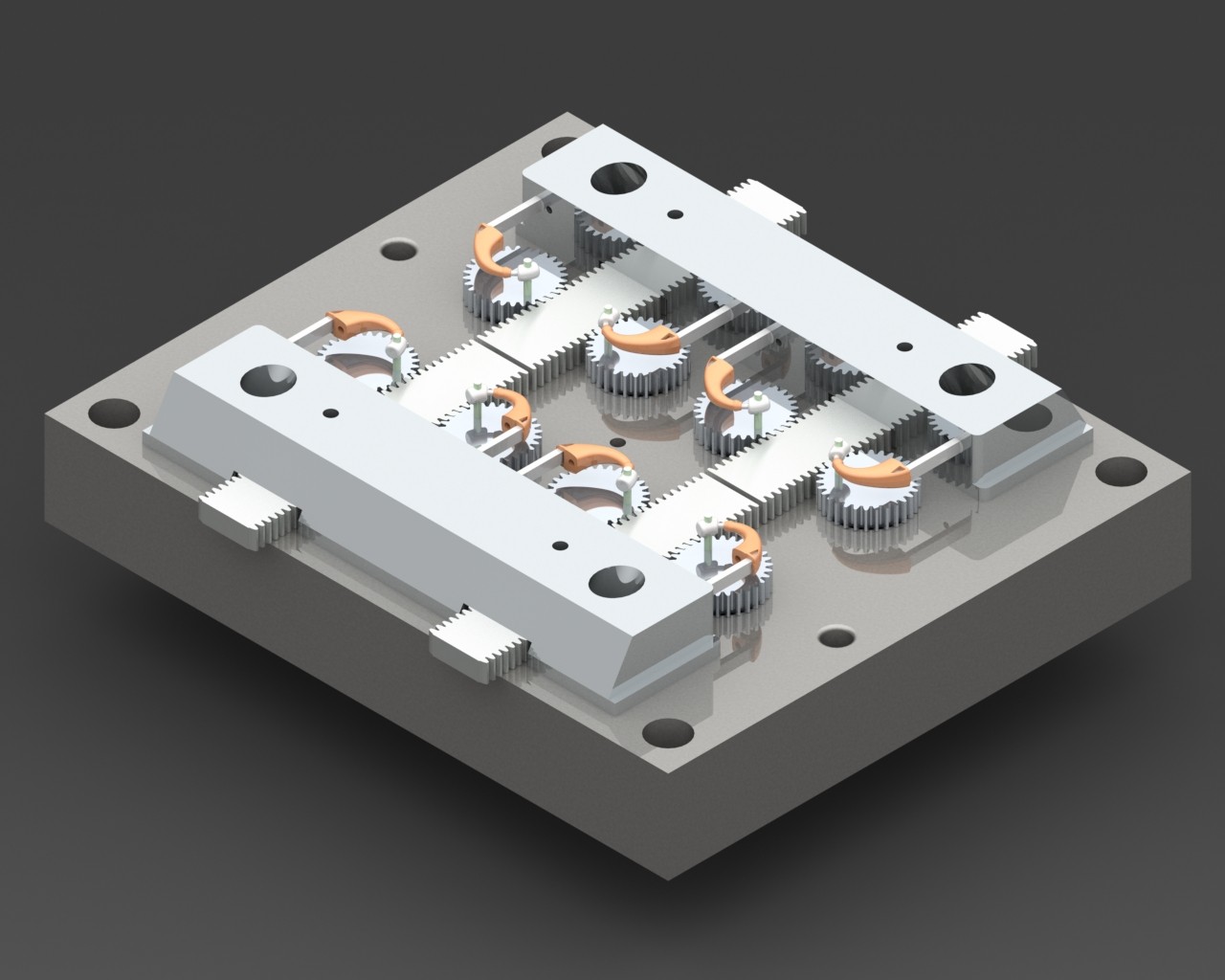
To convert the existing manual process into a fully automatic injection mold by redesigning the part and mold, resolving the undercut using a suitable gear-based mechanism, and increasing production efficiency through a multi-cavity solution.
To convert the existing manual process into a fully automatic injection mold by redesigning the part and mold, resolving the undercut using a suitable gear-based mechanism, and increasing production efficiency through a multi-cavity solution.
Deliverie(s)
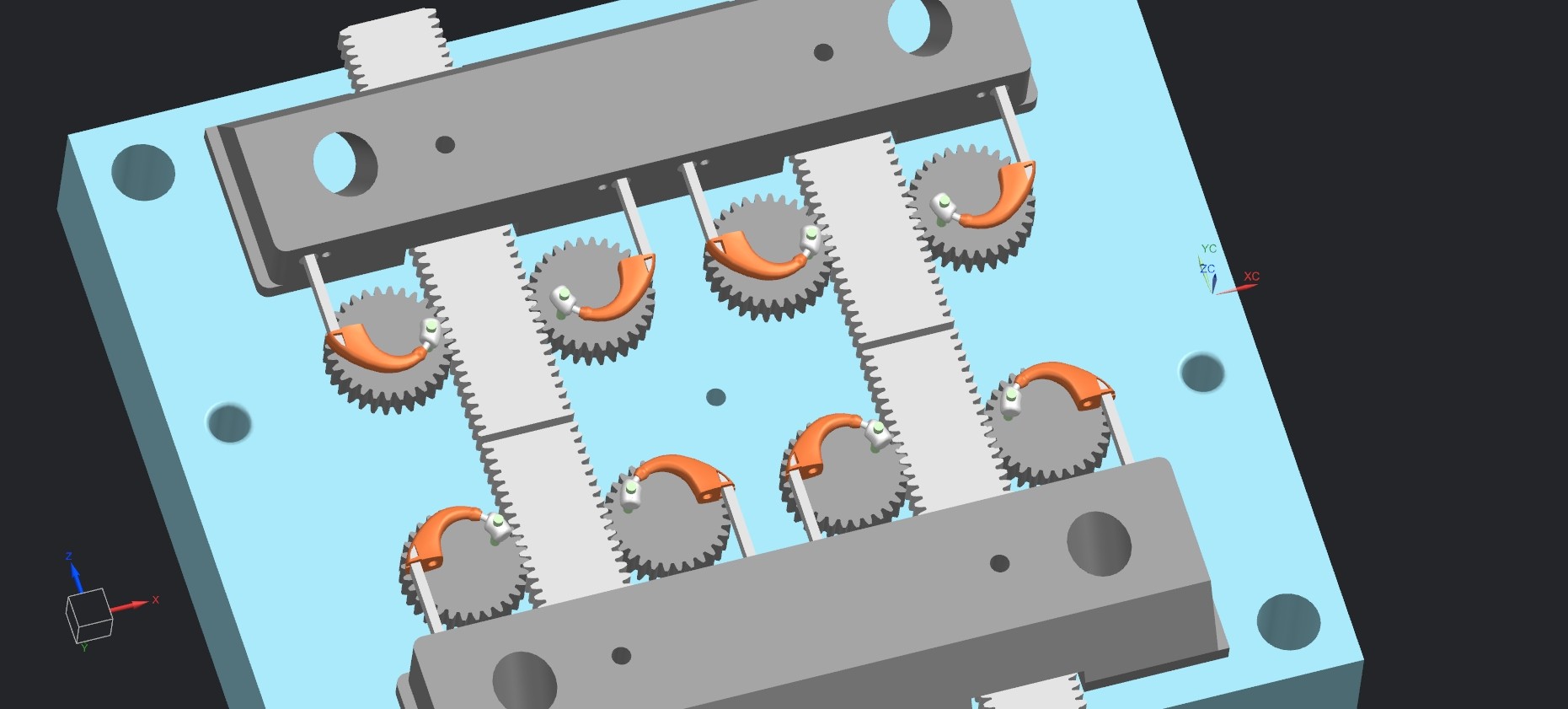
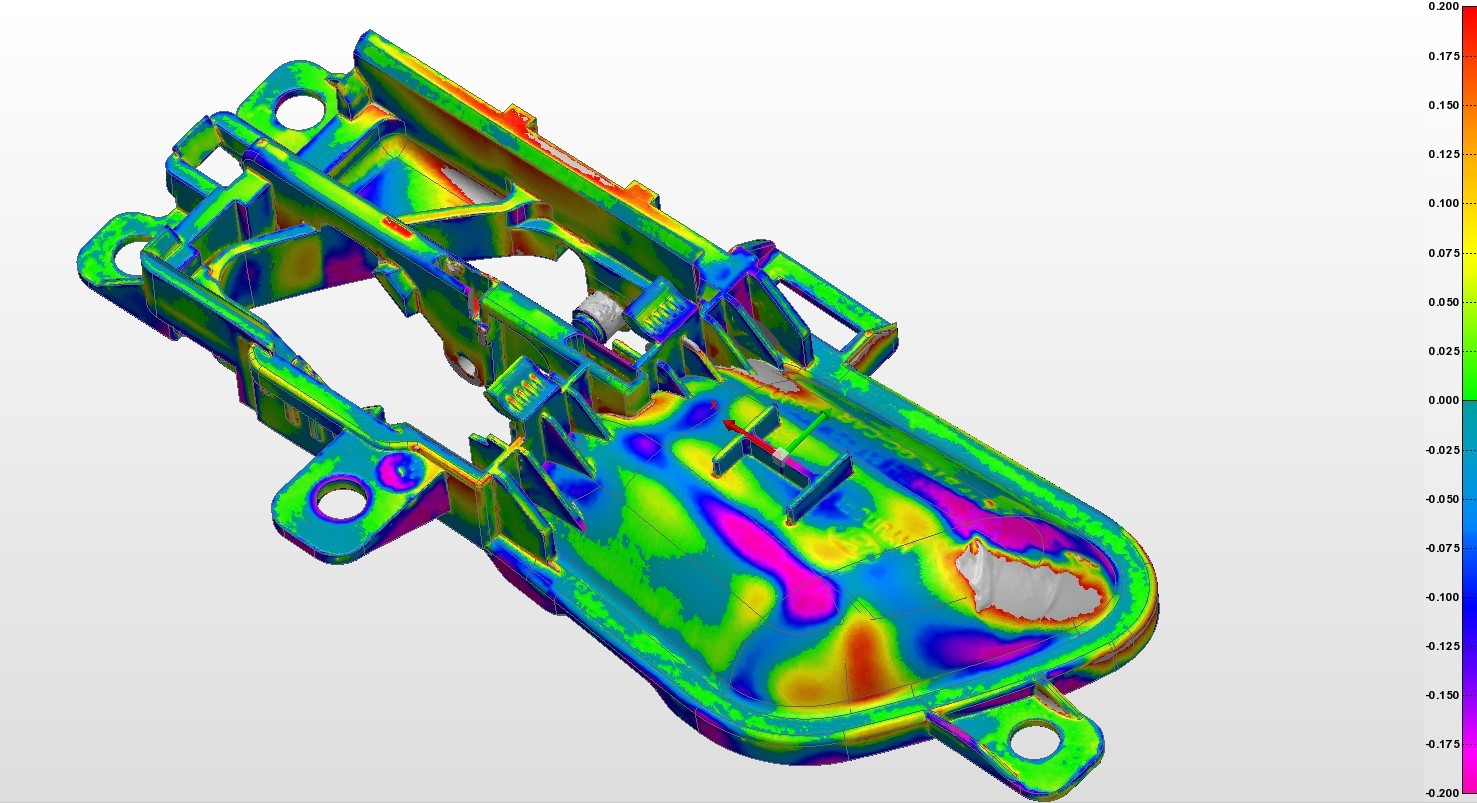
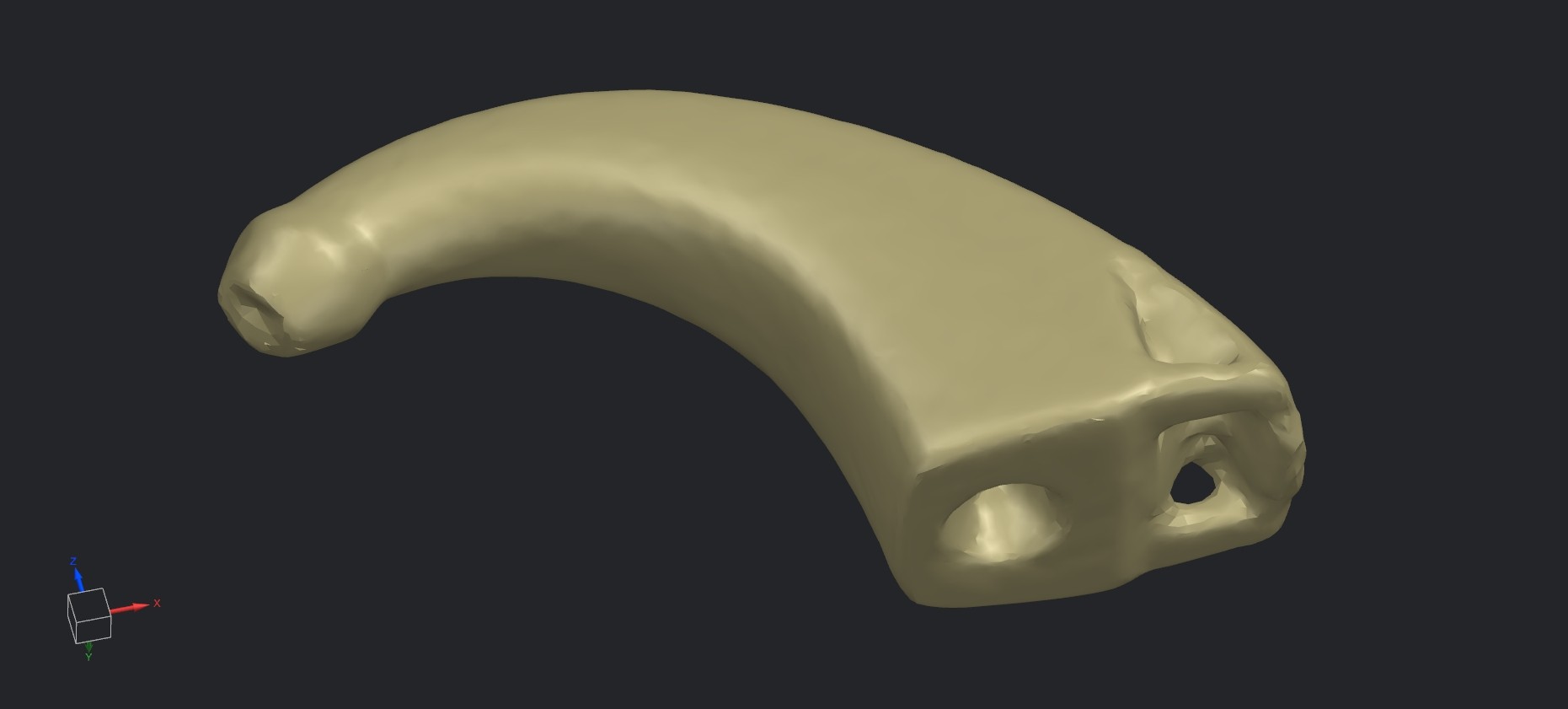
ANDYSIS scanned the existing component to capture accurate geometry and created a clean CAD model. Various mechanical options were studied to resolve the undercut, including sun-and-planet systems, rack-and-pinion, and other gear mechanisms. After evaluating reliability, simplicity, and cost, a rack-and-pinion system was selected and integrated into the mold design. The mold was finalized as an automatic 8-cavity system. The Step Followed: 1. Study of the existing manual mold and part geometry. 2. 3D scanning and CAD remodeling of the component. 3. Undercut identification and automation feasibility analysis. 4. Evaluation of different gear mechanisms for undercut release. 5. Selection and integration of the rack & pinion system. 6. Design of an 8-cavity automatic mold. 7. Simulation of the mold assembly and mechanism movement to validate operation. A fully automatic 8-cavity mold was successfully developed using a rack-and-pinion mechanism to resolve undercuts. The new mold significantly improved production efficiency, consistency, and cycle time while eliminating manual intervention.
ANDYSIS scanned the existing component to capture accurate geometry and created a clean CAD model. Various mechanical options were studied to resolve the undercut, including sun-and-planet systems, rack-and-pinion, and other gear mechanisms. After evaluating reliability, simplicity, and cost, a rack-and-pinion system was selected and integrated into the mold design. The mold was finalized as an automatic 8-cavity system. The Step Followed: 1. Study of the existing manual mold and part geometry. 2. 3D scanning and CAD remodeling of the component. 3. Undercut identification and automation feasibility analysis. 4. Evaluation of different gear mechanisms for undercut release. 5. Selection and integration of the rack & pinion system. 6. Design of an 8-cavity automatic mold. 7. Simulation of the mold assembly and mechanism movement to validate operation. A fully automatic 8-cavity mold was successfully developed using a rack-and-pinion mechanism to resolve undercuts. The new mold significantly improved production efficiency, consistency, and cycle time while eliminating manual intervention.