Battery Base Redesign Using Scan-Based Insert Modification
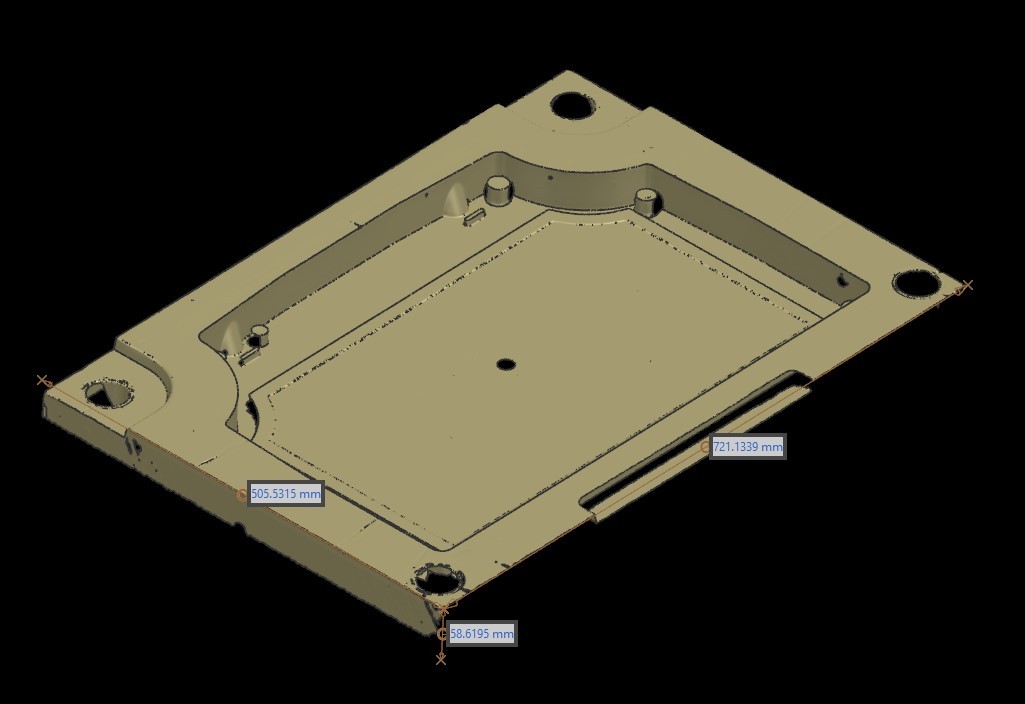
The client had an existing large cavity plate (approximately 720 mm × 500 mm) running in production for a battery base used in an inverter box. Due to changing market requirements, the client needed to introduce a new design on the product while continuing to use the existing mold base, without replacing the entire cavity plate.
Battery Base Redesign Using Scan-Based Insert Modification
The client had an existing large cavity plate (approximately 720 mm × 500 mm) running in production for a battery base used in an inverter box. Due to changing market requirements, the client needed to introduce a new design on the product while continuing to use the existing mold base, without replacing the entire cavity plate.
Highlight(s)
Services
Scan-based Insert Modification
Industry
Plastic
Highlight(s)
Services
Scan-based Insert Modification
Industry
Plastic
Challenge(s)
To modify the existing cavity plate to accommodate a new product design while maintaining compatibility with the original design, ensuring production flexibility, and minimizing tooling cost.
To modify the existing cavity plate to accommodate a new product design while maintaining compatibility with the original design, ensuring production flexibility, and minimizing tooling cost.
Deliverie(s)
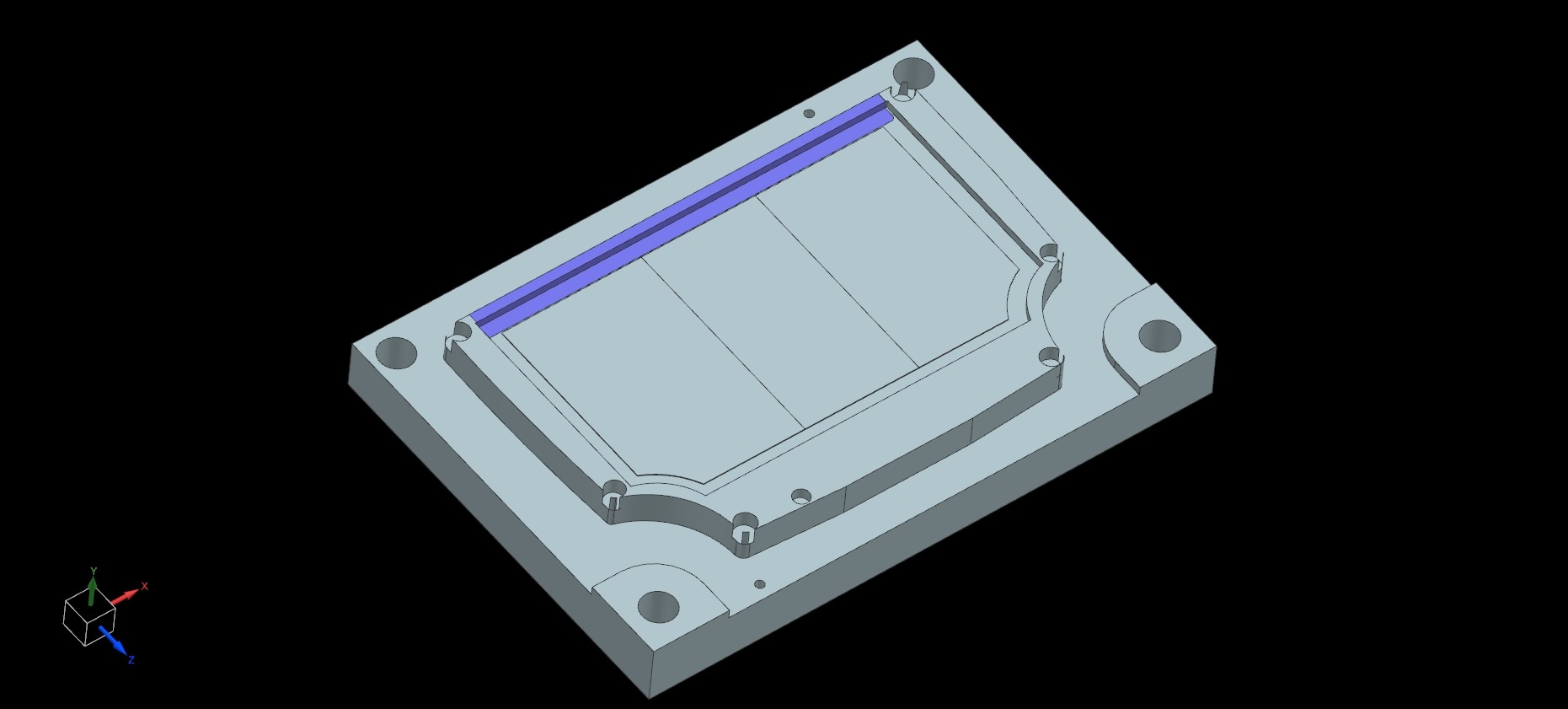
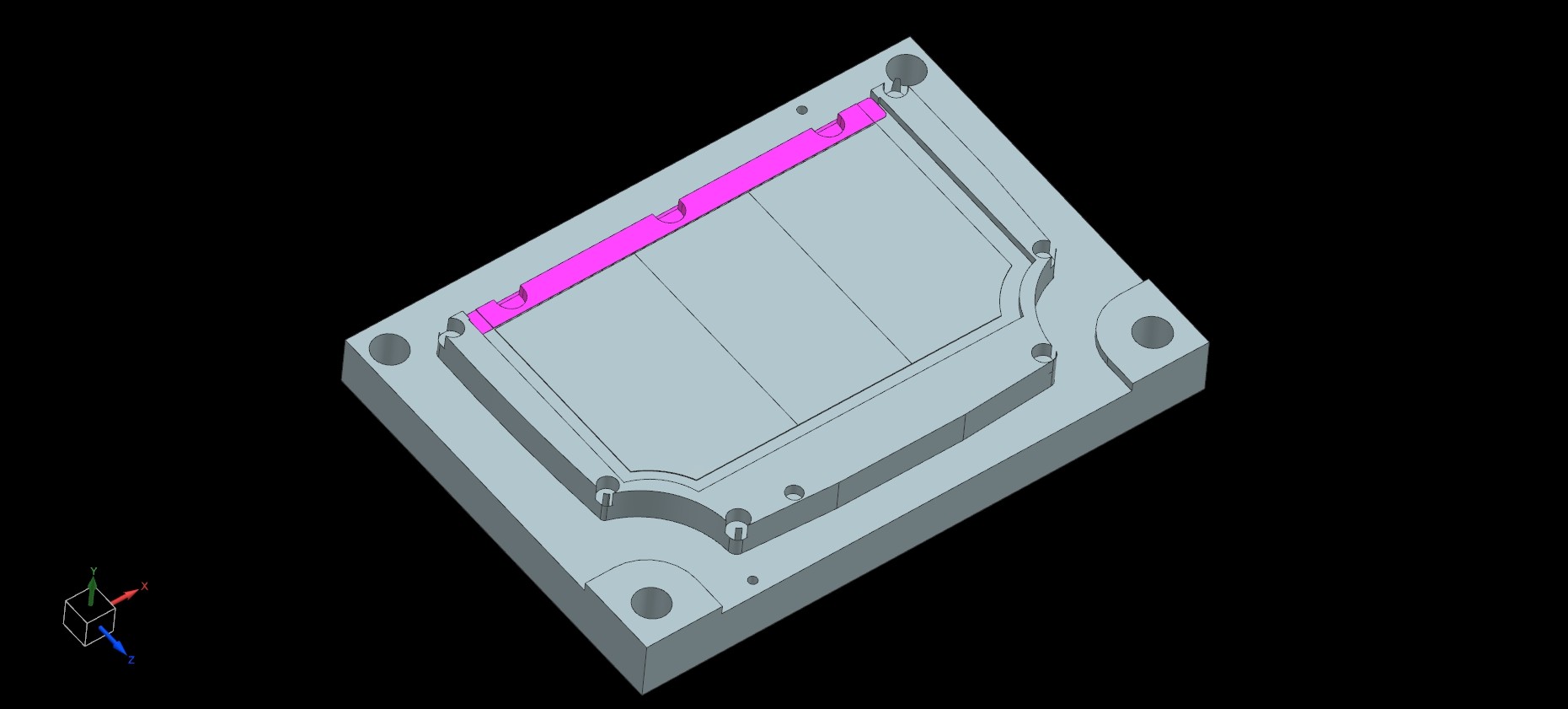
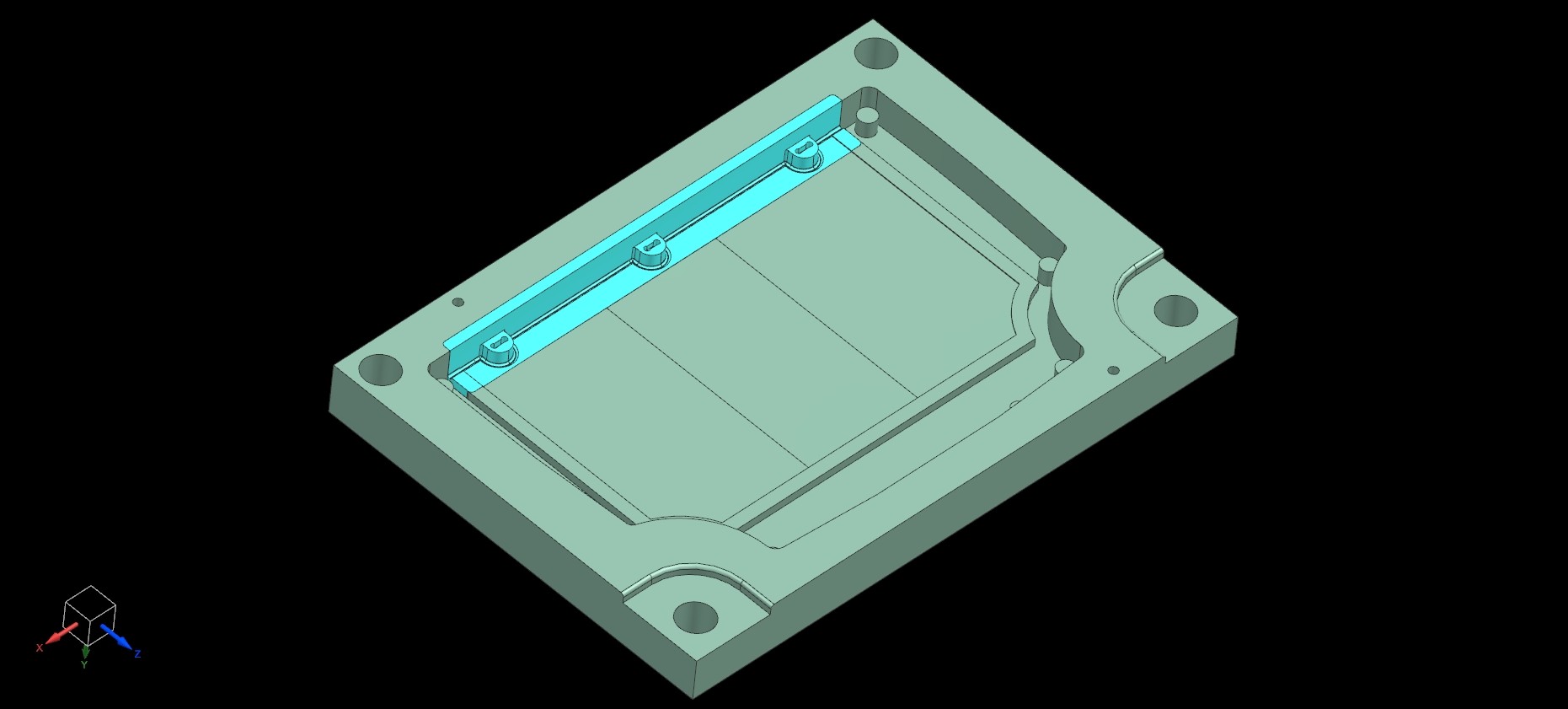
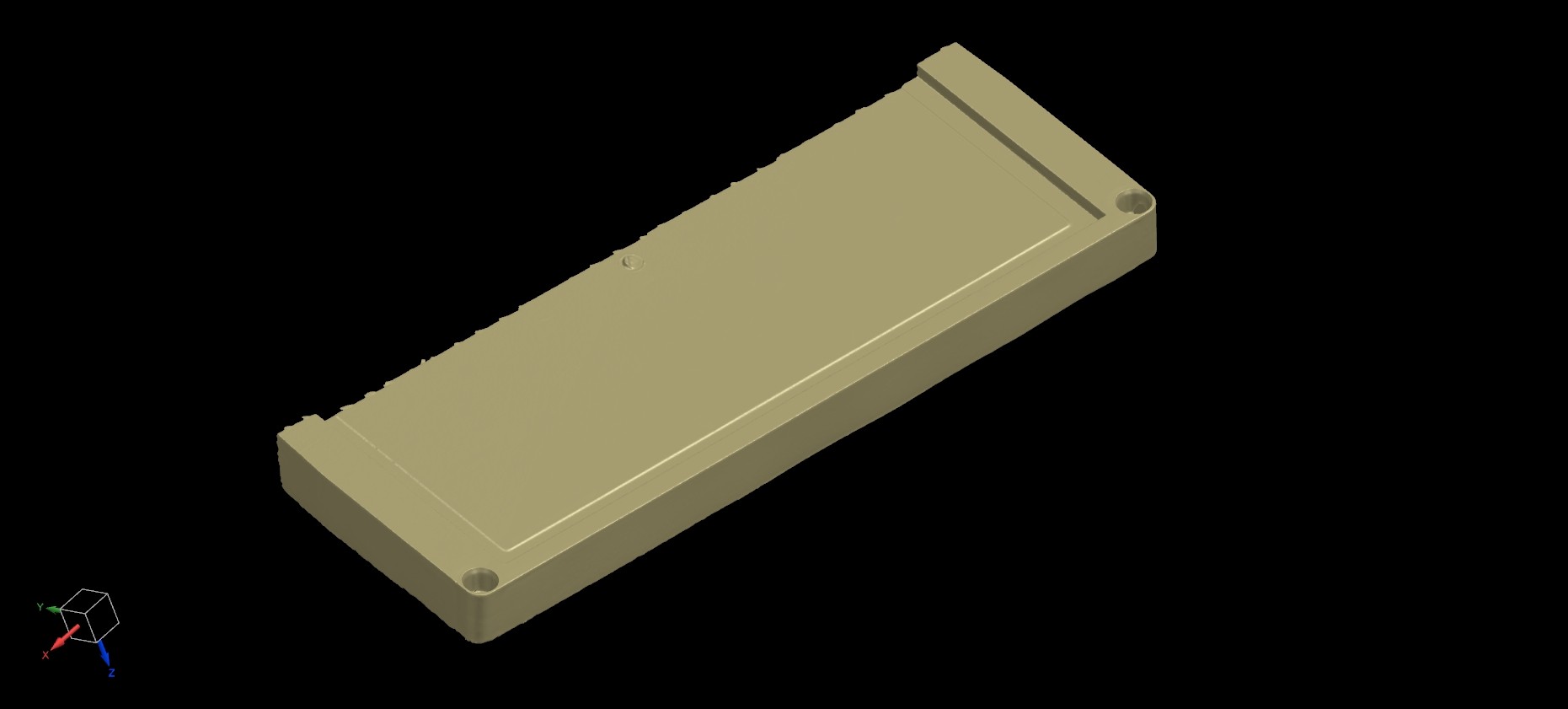
ANDYSIS proposed a scan-based redesign approach. The existing cavity plate was scanned, and three CAD models were created: the original product, the modified design feature, and the final intended product. Shrinkage allowance was applied, and the updated product geometry was carefully integrated into the cavity plate. Replaceable inserts were designed to allow easy switching between the plain and redesigned product versions. The process followed: 1. Understanding the existing cavity plate and production constraints. 2. 3D scanning of the cavity plate to capture accurate geometry. 3. Modeling of the original product, modified design, and final integrated product. 4. Application of material shrinkage allowance. 5. Design and integration of two interchangeable cavity inserts. 6. Core-side redesign with two corresponding inserts to maintain uniform wall thickness. The client received a flexible mold solution that allowed production of both the original and redesigned battery base using the same mold setup. The insert-based approach minimized downtime, reduced tooling cost, and ensured consistent wall thickness and product quality across both design variants.
ANDYSIS proposed a scan-based redesign approach. The existing cavity plate was scanned, and three CAD models were created: the original product, the modified design feature, and the final intended product. Shrinkage allowance was applied, and the updated product geometry was carefully integrated into the cavity plate. Replaceable inserts were designed to allow easy switching between the plain and redesigned product versions. The process followed: 1. Understanding the existing cavity plate and production constraints. 2. 3D scanning of the cavity plate to capture accurate geometry. 3. Modeling of the original product, modified design, and final integrated product. 4. Application of material shrinkage allowance. 5. Design and integration of two interchangeable cavity inserts. 6. Core-side redesign with two corresponding inserts to maintain uniform wall thickness. The client received a flexible mold solution that allowed production of both the original and redesigned battery base using the same mold setup. The insert-based approach minimized downtime, reduced tooling cost, and ensured consistent wall thickness and product quality across both design variants.