Industrial Cooler Design Inspired by Robotic Aesthetics
The client wanted to develop a large industrial cooler that would stand out visually from conventional bulky designs. However, there were no existing drawings or CAD data—only a reference image of a Japanese robot that conveyed the desired aesthetic.
Industrial Cooler Design Inspired by Robotic Aesthetics
The client wanted to develop a large industrial cooler that would stand out visually from conventional bulky designs. However, there were no existing drawings or CAD data—only a reference image of a Japanese robot that conveyed the desired aesthetic.
Highlight(s)
Services
Product Design
Industry
Plastic
Highlight(s)
Services
Product Design
Industry
Plastic
Challenge(s)
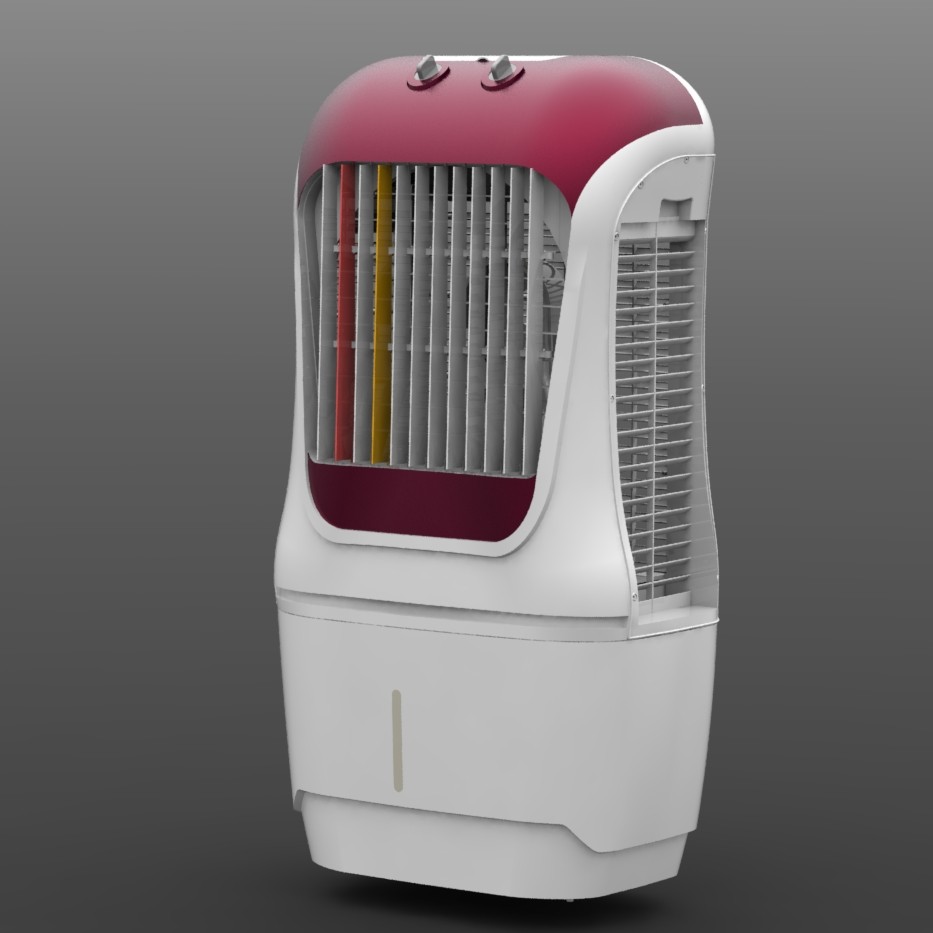
The challenge was to translate this abstract visual inspiration into a functional, manufacturable industrial product. To design a visually appealing yet industrially robust cooler by interpreting the robotic design reference, defining dimensions and proportions, and developing complete product and mold designs ready for manufacturing and market launch.
The challenge was to translate this abstract visual inspiration into a functional, manufacturable industrial product. To design a visually appealing yet industrially robust cooler by interpreting the robotic design reference, defining dimensions and proportions, and developing complete product and mold designs ready for manufacturing and market launch.
Deliverie(s)
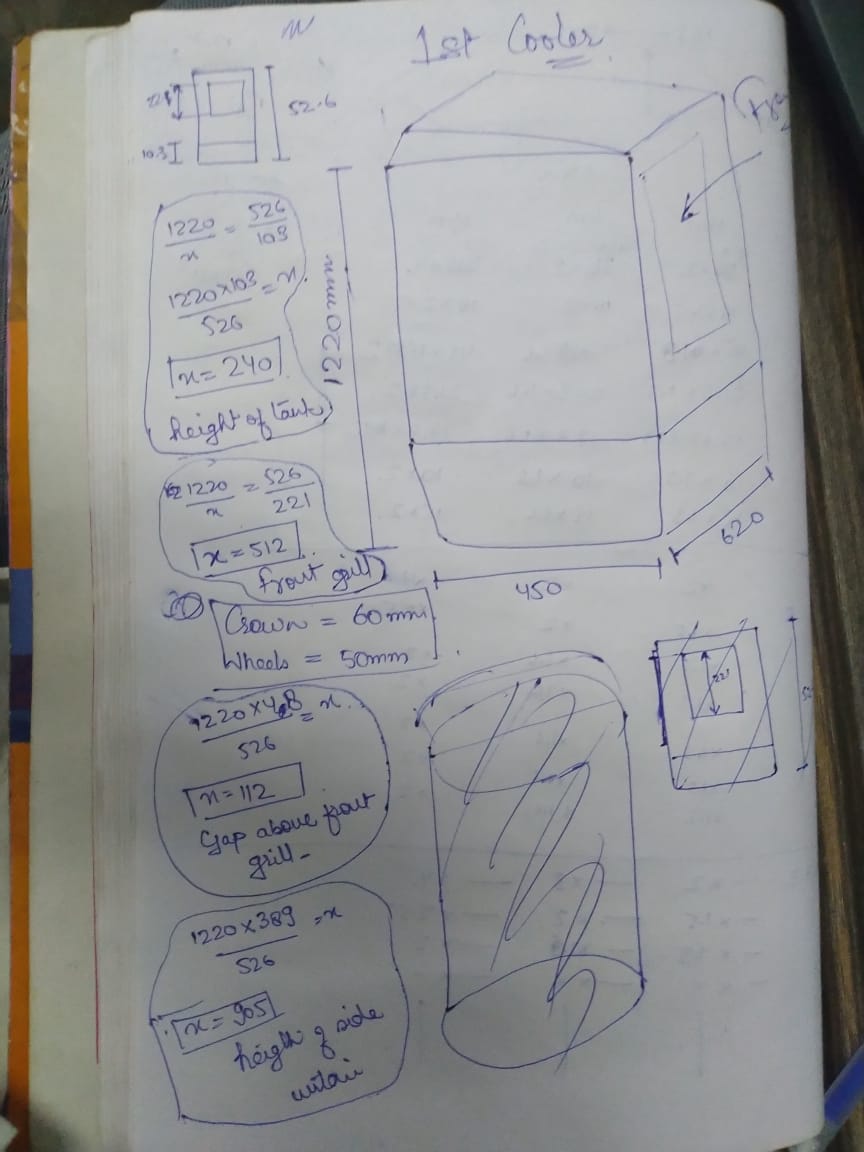
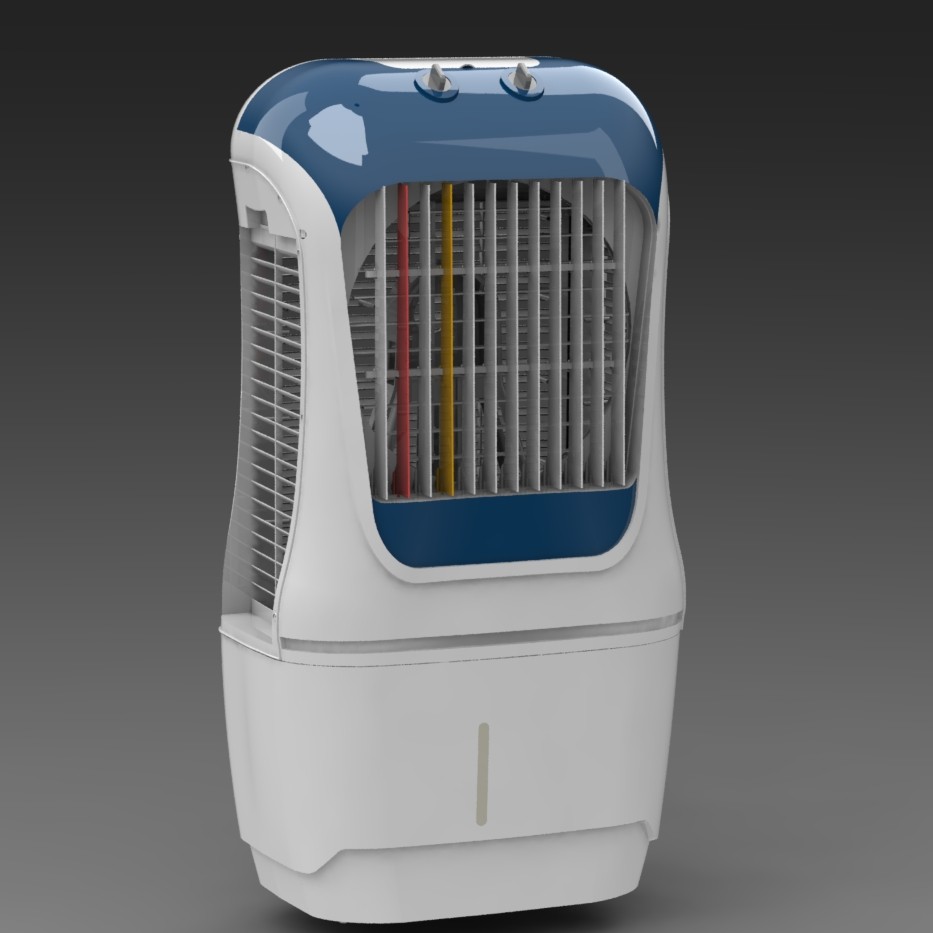
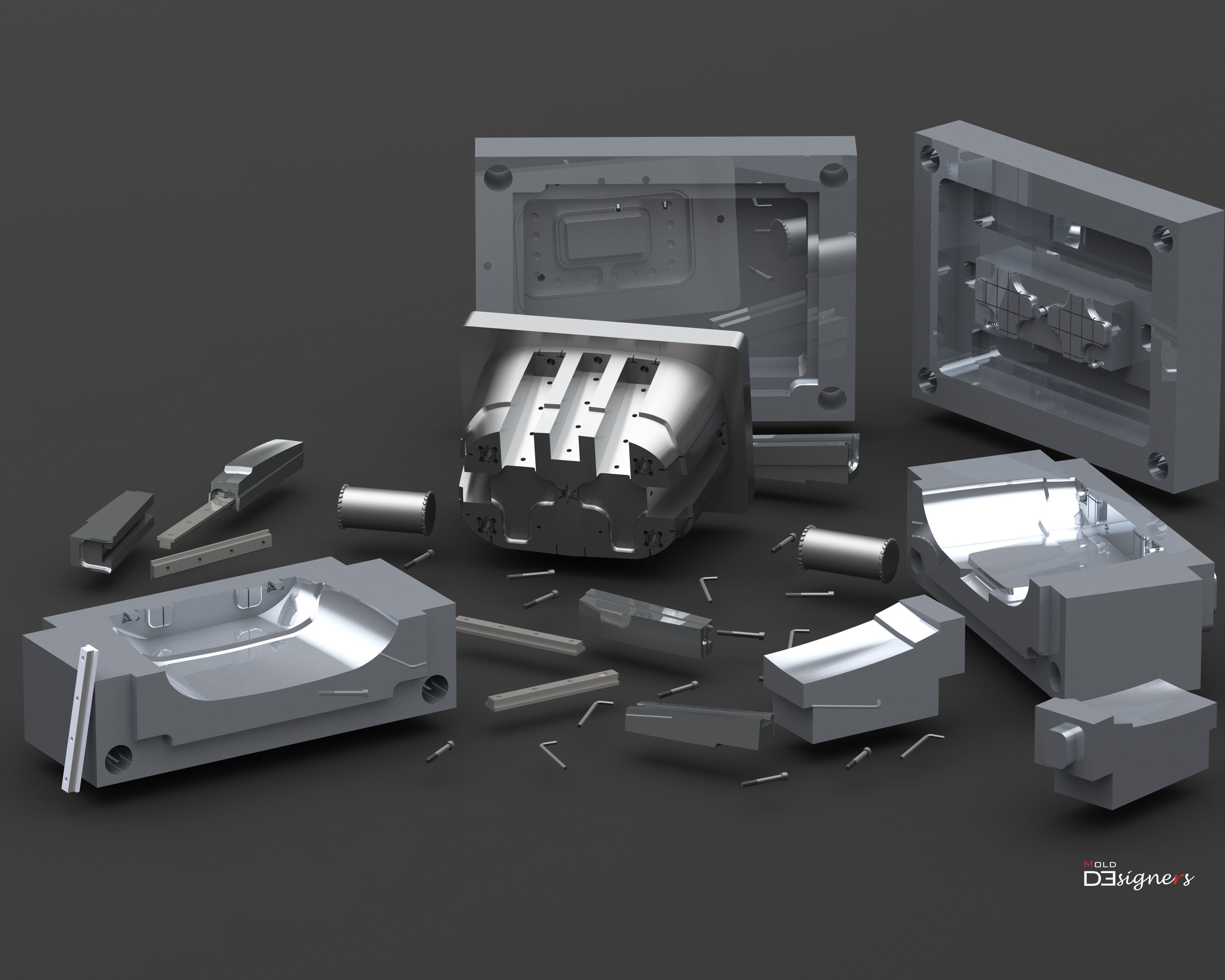
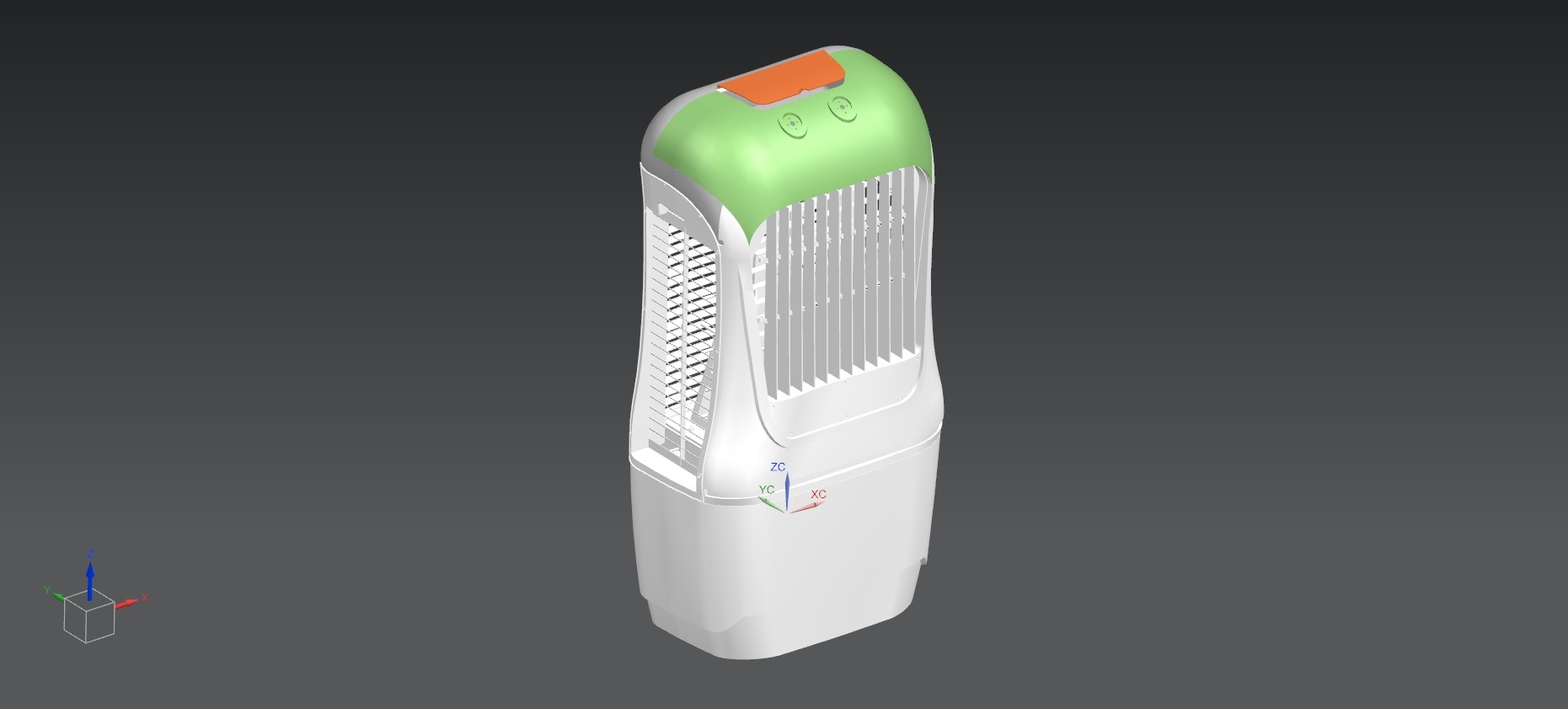
ANDYSIS followed a concept-to-manufacture approach. Initial hand sketches were created to define proportions and dimensions based on the client’s input. A rough 3D model was then developed to establish overall form and visual direction. Through iterative refinement—sometimes with direct client involvement—the design was finalized. Each cooler component was individually designed along with its corresponding injection mold. The Process Followed: 1. Visual interpretation of the robotic reference image. 2. Hand sketches to define size, proportions, and functional layout. 3. Development of a rough 3D concept model. 4. Iterative design refinement through client feedback. 5. Detailed design of all components (body panels, curtains, louvers, tank, water indicator, etc.). 6. Injection mold design for each individual component. A fully engineered industrial cooler with a unique, market-differentiating design was successfully launched. The product combined strong visual appeal with industrial durability, and all components were production-ready with optimized mold designs. The cooler is now available in the market, validating both its design and manufacturability.
ANDYSIS followed a concept-to-manufacture approach. Initial hand sketches were created to define proportions and dimensions based on the client’s input. A rough 3D model was then developed to establish overall form and visual direction. Through iterative refinement—sometimes with direct client involvement—the design was finalized. Each cooler component was individually designed along with its corresponding injection mold. The Process Followed: 1. Visual interpretation of the robotic reference image. 2. Hand sketches to define size, proportions, and functional layout. 3. Development of a rough 3D concept model. 4. Iterative design refinement through client feedback. 5. Detailed design of all components (body panels, curtains, louvers, tank, water indicator, etc.). 6. Injection mold design for each individual component. A fully engineered industrial cooler with a unique, market-differentiating design was successfully launched. The product combined strong visual appeal with industrial durability, and all components were production-ready with optimized mold designs. The cooler is now available in the market, validating both its design and manufacturability.